Scary First Steps
/Why is the first step often so scary? What is it we are afraid of? I remember the first time I went rappelling at a Wild at Heart Boot Camp at Frontier Ranch in Colorado. It was, well, terrifying.
The scariest part was waiting for my turn. Could I do this? Would I chicken out at the last minute? Would I be the only one who froze-up halfway down the cliff and the belay-guy had to rescue me? I watched guy after guy take off in graceful ease like they were born to do this – the way cool guys can always do things when someone like me is watching. I tried to pay attention while the instructor explained what to do, but I was too nervous to listen.
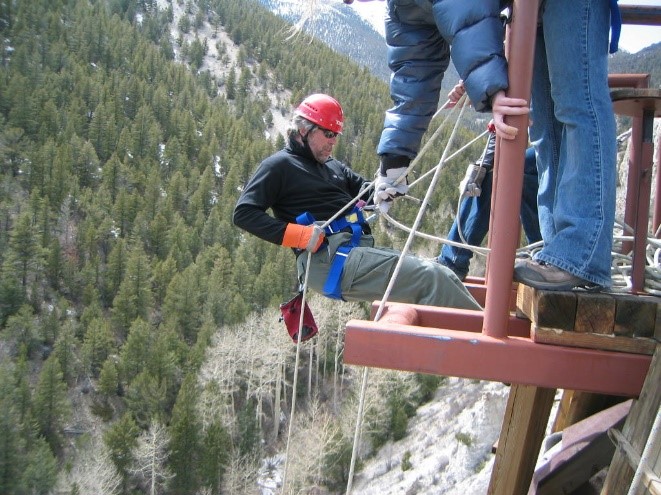 However, once I cleared the platform, stepped over the edge, and had my feet planted on the rock face, I was no longer afraid. I fed the rope through my D-ring at a steady pace, making my way down the mountain with beautiful bouncing steps. I was amazing. I was one of the cool guys. I hooted so loud I could hear the echo off the opposite canyon wall. I was the man of unlimited courage!
That is, until we made our way over to the high ropes course. I immediately deteriorated from courage-guy to fraidy-cat-guy. It was pathetic.
I wasn’t afraid of falling to my death. I trusted the gear and construction and guides. I was afraid I wouldn’t be able to finish the course and they’d have to stop everyone to pluck me from the scaffolding.
But once I moved past that first step on the cable, I wasn’t afraid. I focused on the task at hand, kept my eyes on the wire, inched my feet along, and held on to the overhead hand ropes. I didn’t worry how goofy I looked; I just kept going.
In his book Running With the Pack, Mark Rowlands wrote, “That is the magical thing about first steps. Before that step I was outwardly calm but inwardly riddled with doubt. Will my calf hold together? Will I be able to go the distance? How painful will this be? How humiliating? But with that first step, all my doubts are washed away by the quiet calm of certitude.”
I remember how afraid I was taking the first step to marry Cyndi - asking her. Not scared that she would say No, but scared to move into the great unknown life ahead. However, after that first question, after that December 1978 night, I’ve never been afraid of being married. Still not.
My first steps in my first marathon, in 1983, weren’t so scary, but only because I didn’t know enough to understand what I was getting in to. However, I remember several marathons later when I ran the Paper Chase in Amarillo in 1998, that first step was very scary. I’d piled too much emotional baggage on that race and made my fears even deeper. Until they fired the gun and I took my first step. Then I just kept running. As it turned out, I finished in a reasonable time (for me), on my own two feet, and I could still walk the next day.
Mountaineer David Lloyd George warned, “Don’t be afraid to take a big step if one is indicated. You can’t cross a chasm in two small jumps.”
When Cyndi and I left the adult Bible study class where we’d taught for fifteen years, a warm and safe class full of our own age-group peers, to begin a new class of 20-year-old newlyweds, well, the first steps were frightening. I loved teaching, and I knew I was good at it, but I wasn’t at all convinced what I did would work with these youngsters. Would they understand any of my cultural references? Would I understand theirs?
Yet, as soon as I started teaching that first Sunday morning it felt like the place where I belonged. But I had to dive in, cross the chasm, before it felt good.
How about you? What are the scary first steps in front of you that have you stopped in your tracks? Maybe it’s time to leap forward. James Lawrence says, “A better you lies just on the other side of fear.”
I run in the path of Your commands, for You have set my heart free.” Psalm 119:32
I need your help. The primary reason people read these articles is because people like you share with friends, so please do. And thank you. Also, you can find more of my writing on my weekly blog, read insights on Tumblr, and follow me on Twitter and Facebook.
 60 vertices. The most interesting one in my opinion is the Truncated Icosahedron (think of a soccer ball, with 32 faces, 90 edges, and 60 vertices). It has the best potential for a birthday cake, or it would if I was a cake guy. I would rather have Cyndi’s homemade apple pie than a birthday cake, no matter what the shape.
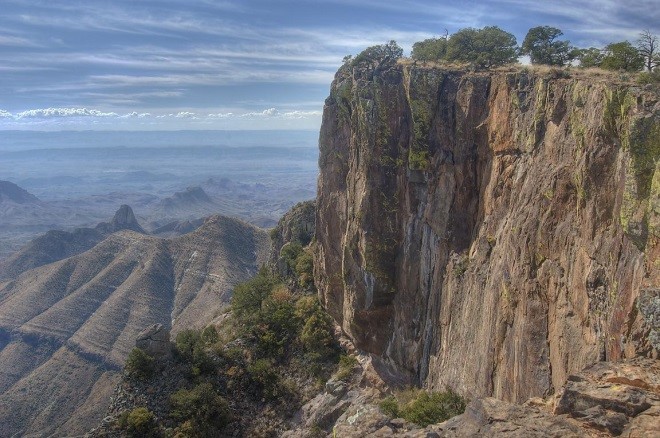 I’m not a black-or-white thinker; not binary. While I value my own considered opinions, generally assuming I’m always right and always smartest (sorry), I actually change my mind about important things more often than you might assume. I’m constantly reevaluating and reconsidering what I know and believe. I spend most of my thinking in the gray areas, in the transitions, considering options and weighing opinions. That’s one reason I’m drawn to places in the world where there are no easy transitions; they touch the part of my heart that longs for absolutes.
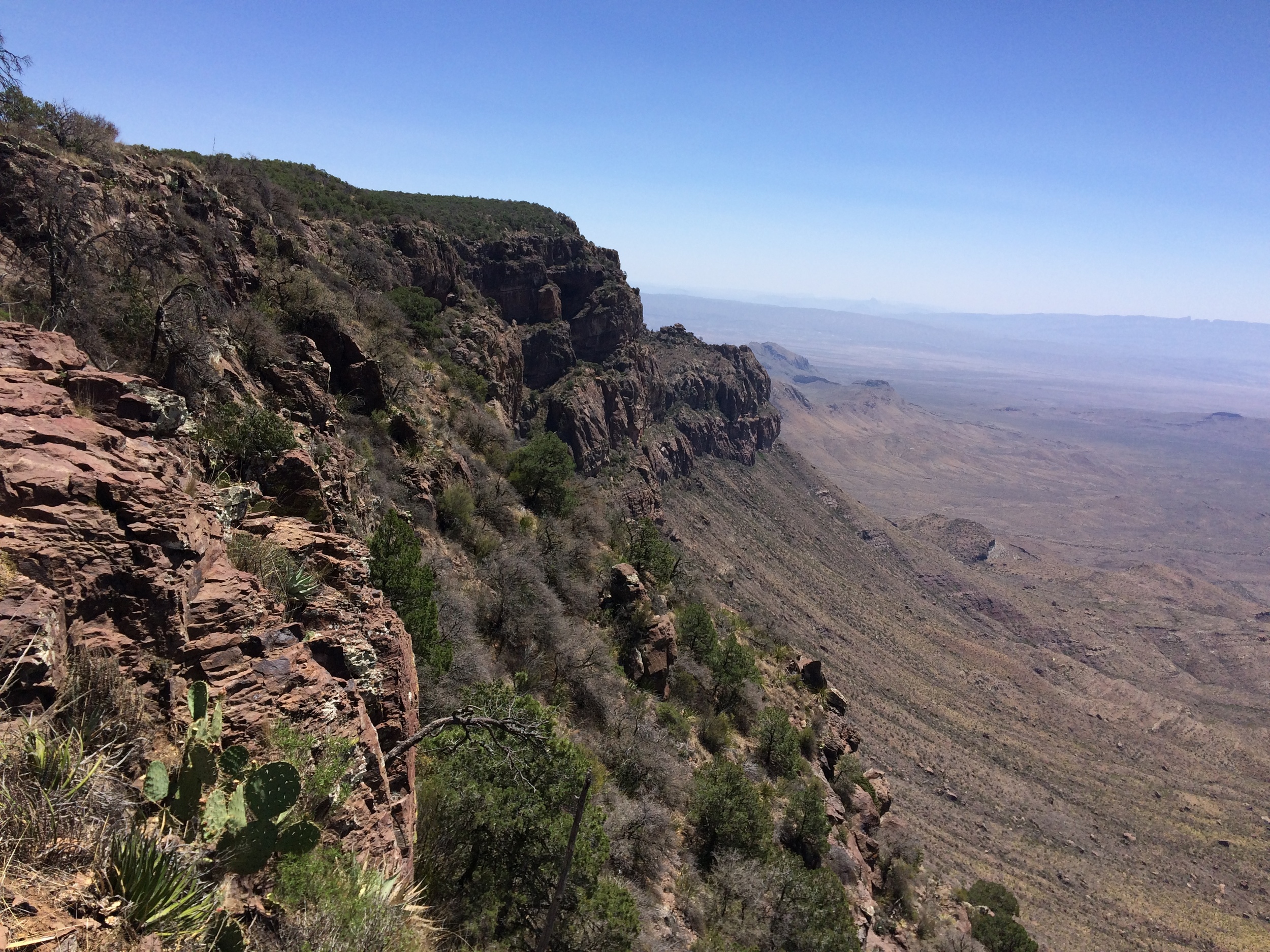 amazing; the energy on the edge of the cliff exceeded all my expectations.
While getting my backcountry permit at the Chisos Basin Visitor Center, which in itself was a little disappointing since it was only a piece of paper instead of a tag wired to my backpack, I learned that Big Bend National Park does not allow hammock tents, which was exactly the type of tent I had with me. I had to make some last minute changes. I left my hammock in my pickup and took only my rain fly. I also bought four extra tent stakes in the Big Bend store in case I needed additional tie-downs.
amazing; the energy on the edge of the cliff exceeded all my expectations.
While getting my backcountry permit at the Chisos Basin Visitor Center, which in itself was a little disappointing since it was only a piece of paper instead of a tag wired to my backpack, I learned that Big Bend National Park does not allow hammock tents, which was exactly the type of tent I had with me. I had to make some last minute changes. I left my hammock in my pickup and took only my rain fly. I also bought four extra tent stakes in the Big Bend store in case I needed additional tie-downs.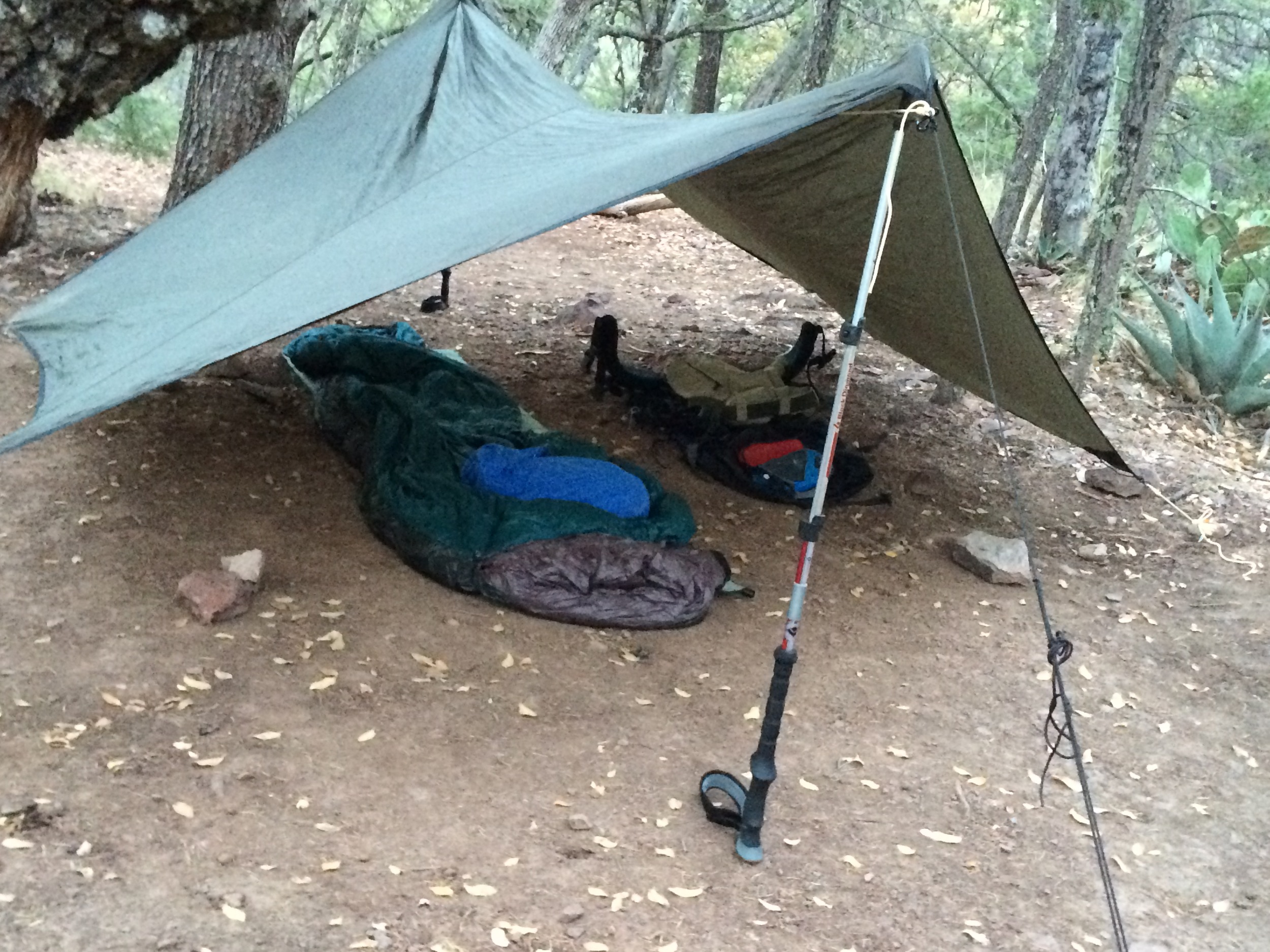 Just as the sun was going down a young hipster hiker walked past my campsite and said admiringly, “Nice lightweight shelter.” I said, “Thanks,” as if that had been my plan all along.
 When I read Goldberg I am struck by her description of Zen practice. She will sit for days in silence listening to her own breath. It seems fruitless and mind-numbing to me; yet the hard-core discipline invested into spiritual understanding is attractive. I wonder, what do I do to intentionally draw myself closer to God? What are my meditation-on-the-pillow practices?
 He hadn’t done anything so far. He hadn’t even opened the instruction book. He was used to getting more hands-on “help” than I was willing to give in my post-marathon condition.
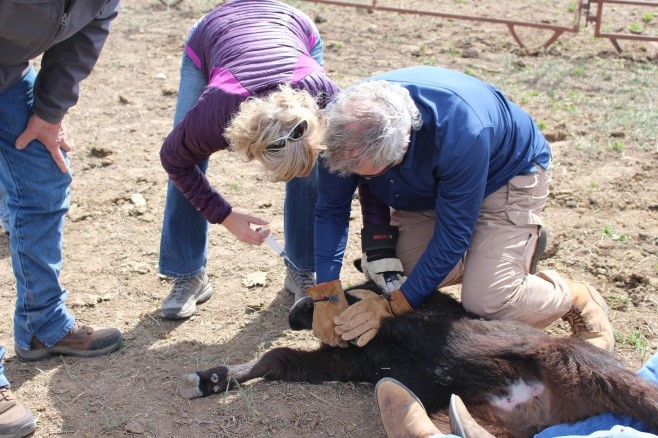 During the branding operation it was my job to pin the calf down from the front by pushing on its neck with my right knee and pulling up on the top front leg, while my cousin-in-law Bob grabbed both rear legs and pulled outward. We held the calf on the ground while it was tagged, vaccinated, branded, and castrated, hoping no one got kicked in the process. It was my first time to use these new knees for something besides walking, hiking, or cycling, and it all went better than I expected. I could even walk normally the next morning.
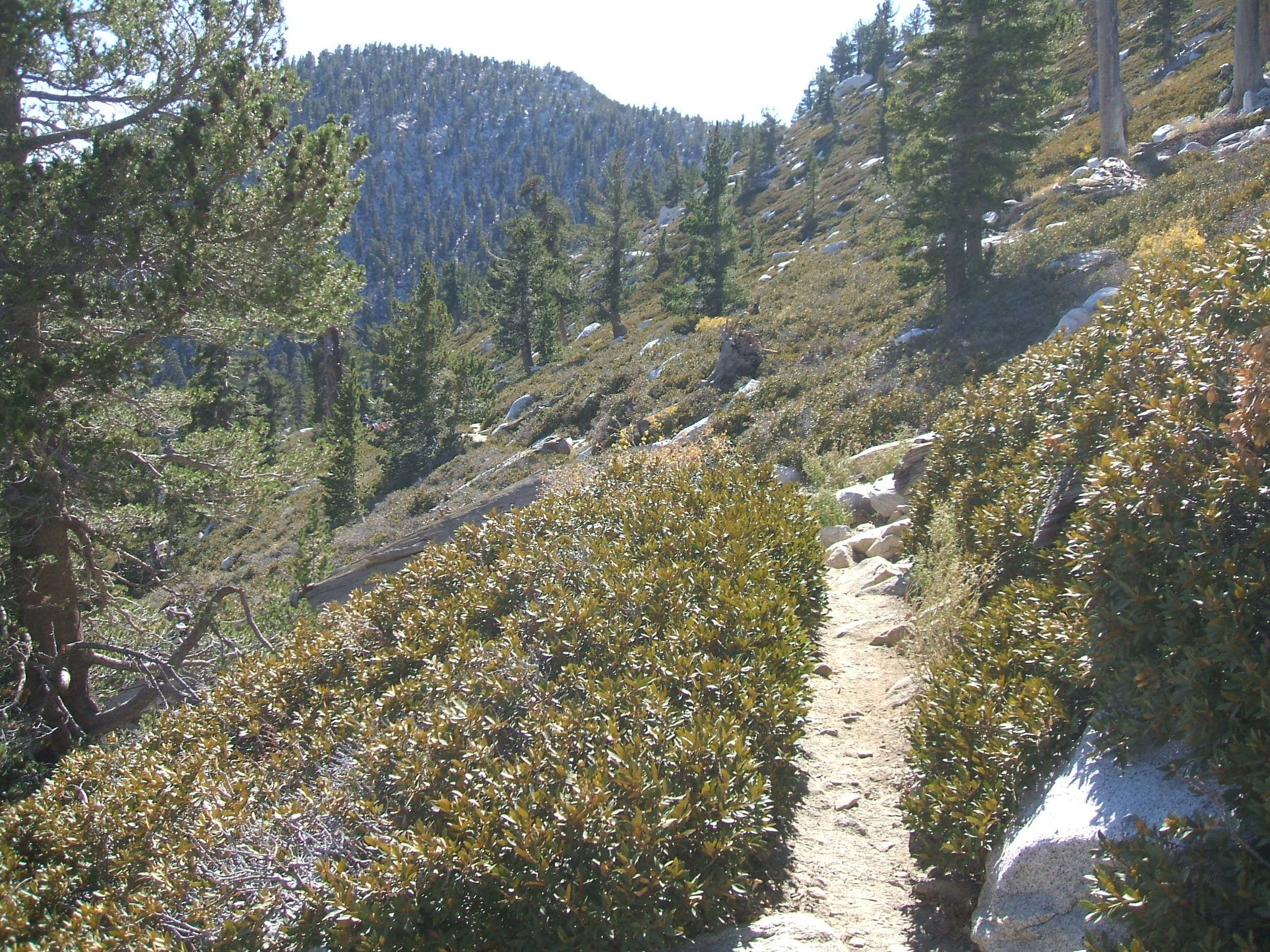 When the most beautiful backcountry seems impenetrable and inaccessible a trial is an invitation to give it a try. A trail makes hiking the most impassable terrain a possibility. Having a trail to follow is a gift. It means you don’t have to bushwhack. You are not on your own.
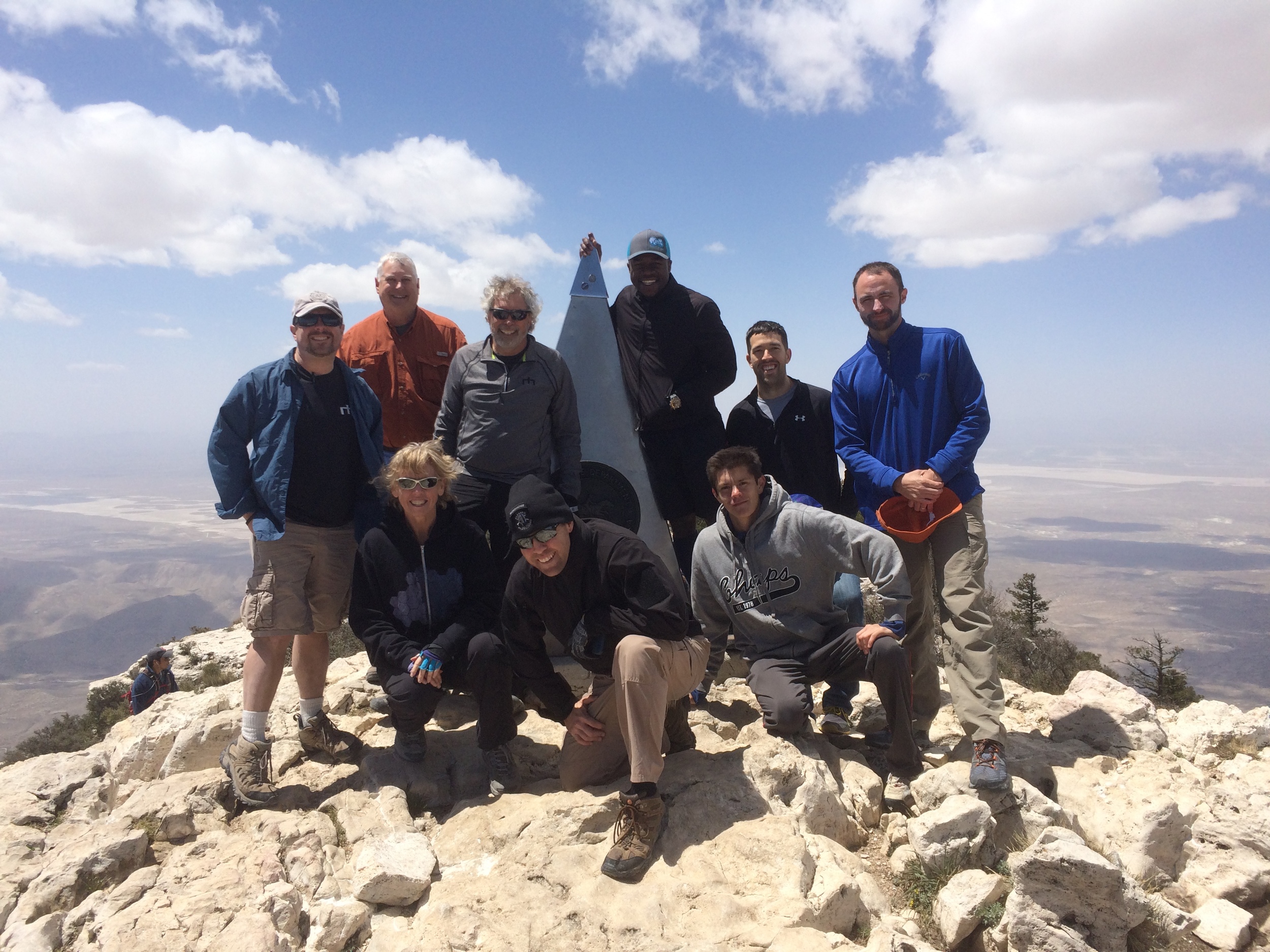 From trailhead to summit it took me 3:20 to make the climb; I was happy that I’d kept going. Most of my group was waiting at the top, and they continued to wait while I ate my PB&J sandwich. It was cold and windy and some of the faster hikers, including my loving wife Cyndi, had been up there for an hour already. Waiting for me was not a small thing.
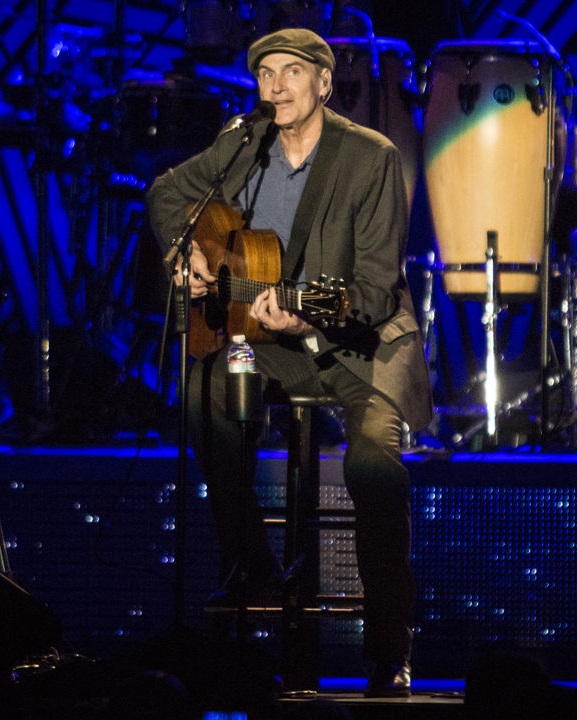 with a twenty-minute intermission. His voice sounded like it did the first time I heard him sing on TV in 1970. How does he do it? (Maybe he was given the choice to give up his hair or give up his voice. If so, he chose wisely.)