Paluxy Pedal 2020
/The best thing about the 2020 version of Paluxy Pedal: it wasn’t canceled. Everything else on my calendar, since March, was canceled, one after the other. I checked the race web site every week all summer, afraid to find it was canceled as well.
The second best thing: I made it up both big climbs and stayed in the saddle the entire time. I was saving pedal dancing in case I needed one more trick to get up the hill, but I didn’t.
The third best thing: the rest stops weren’t as minimal as I feared in this Covid Era. There were plenty of packaged snacks, lots of water, friendly servers, and smiling bike holders. Although, my mistake, I thought was a small shot of energy drink was actually meant to blend with the water in my bottle. I drank it straight. It was a mistake. I tasted concentrated energy drink for the next hour.
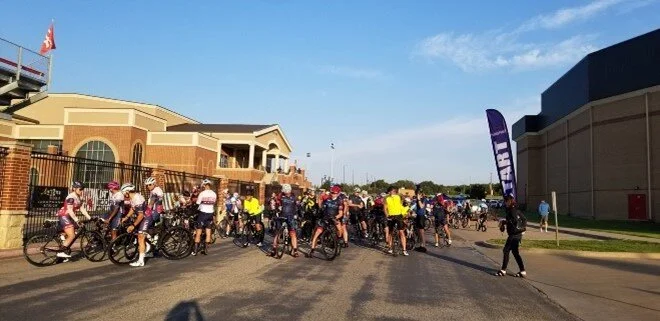
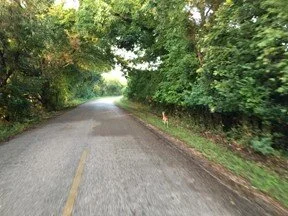
Saturday, October 3rd, I rode the Paluxy Pedal, Which started and ended at the Glen Rose High School. This was my second time. I rode it a couple of years ago, in 2018, and I liked the route. It’s all up or down, seldom level, quite steep in places, and a beautiful ride through the north Texas hills. The auto traffic was light, traffic control at intersections was good, and the route was well-marked the entire way. The course did cross a few cattle guards and followed a stretch on the shoulder of Highway 67. The weather couldn’t have been better … 67*, overcast, and only a 3 mph wind.
The last time I rode the 60-mile ride, but this time I chose the shorter 53-mile ride. I thought the hill climbs were taxing enough, I didn’t need the additional seven miles.
There were about 500 cyclists at the start; all wearing masks as we safely queued up to start. Everyone stuffed their masks at the sound of the gun, and didn’t pull them out again until the ride was finished.
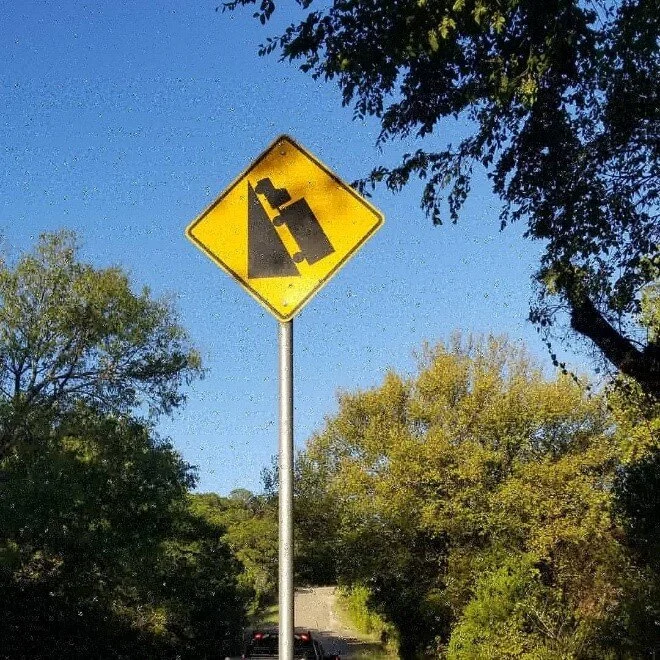
The Paluxy Pedal is famous among north Texas bike rides for The Wall, a brutal climb only 3/10 of a mile long, but with an advertised average 19% grade. It comes about 36 miles into the ride, which adds to the difficulty. There is a bailout option, a bypass in case someone wants to avoid it.
The course had plenty of hills prior to The Wall, including one long steep climb that included signage saying, “This is NOT The Wall.”
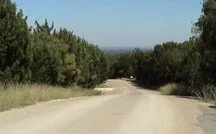
The Wall comes up on you by surprise. You go down a steep curving tree-lined descent, the road flattens out a bit, and then suddenly, there it is. All you can do is downshift quickly, put your head down, and press forward.
The last time I attempted The Wall, in 2018, I had to dismount and push my bike up the last third of the hill. I struggled so much I took my bike to Jason at Peyton’s and asked for more generous gearing. He changed my 27-12 rear cassette to a 31-11. It was a big help. I used them all.
This time, I’m proud to say, I rode all the way up. I just kept mashing my pedals. I never stood up, keeping that as a reserve in case my speed got so slow I might fall over. The cassette change made a big difference, Also, the fact I am fifteen pounds lighter than in 2018.
I don’t know if the 19% grade is accurate, but I do know this - it far exceeds the parking garage where I do my small bit of hill training in Midland. In the last bit of the climb I followed the lead of the riders in front of me and made giant sweeping switchbacks from one side of the road to the other, trying to reduce the steepness of the hill and keep working my way to the top.
When I reached the summit of The Wall, I was happy to discover an aid station. I rolled to a stop and a young man about twelve years old asked if he could hold my bike while I visited the snack table.
“Sure, give me a minute,” as I laid my chest on the handlebars and tried to breathe again.
His name was Rylie, and he held my bike patiently until I was recovered and ready to finish the ride.
After The Wall, we only had about ten miles to go to the finish, and only a couple of modestly difficult climbs, mostly long coasting descents, so I was happy to get going again. The last few miles along Highway 67 were smooth and descending, a reward for a great day of cycling.